

The verdict
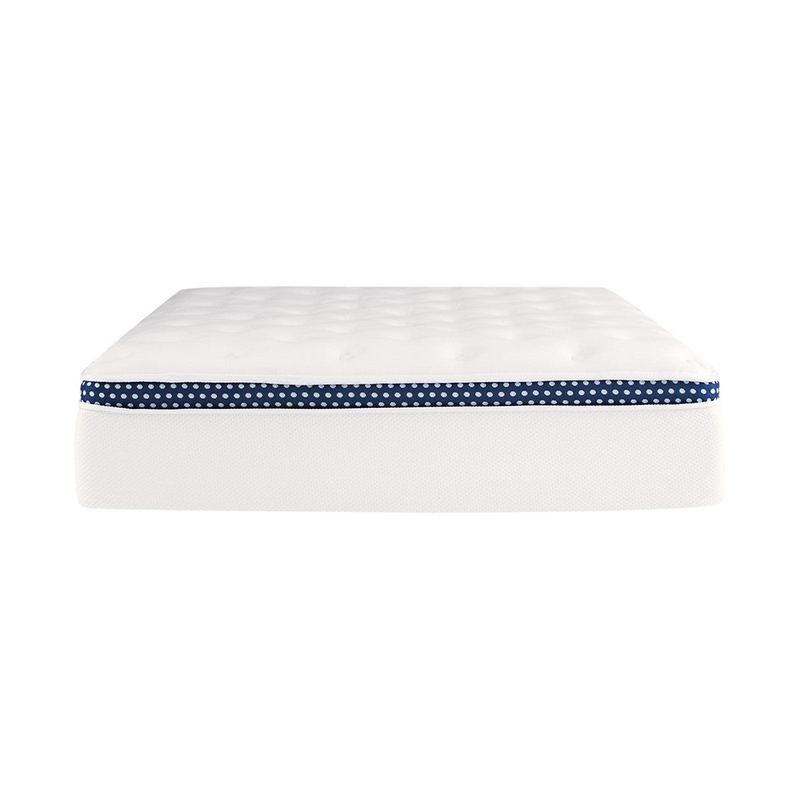
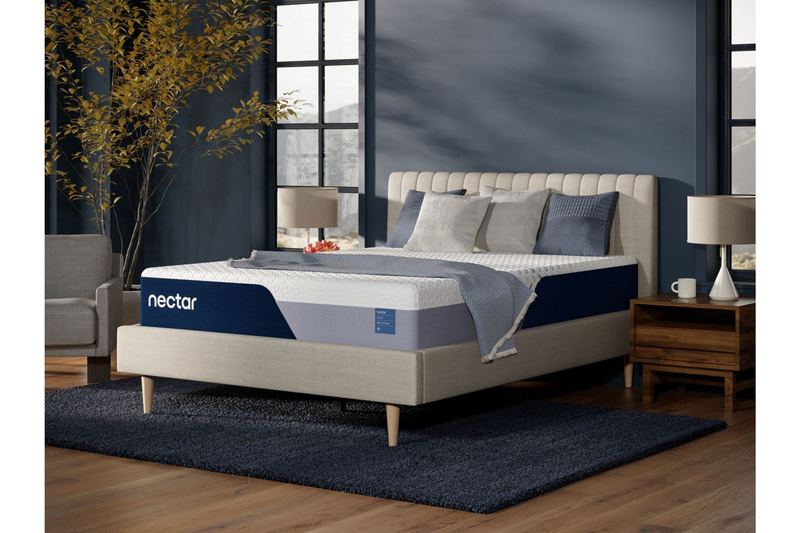
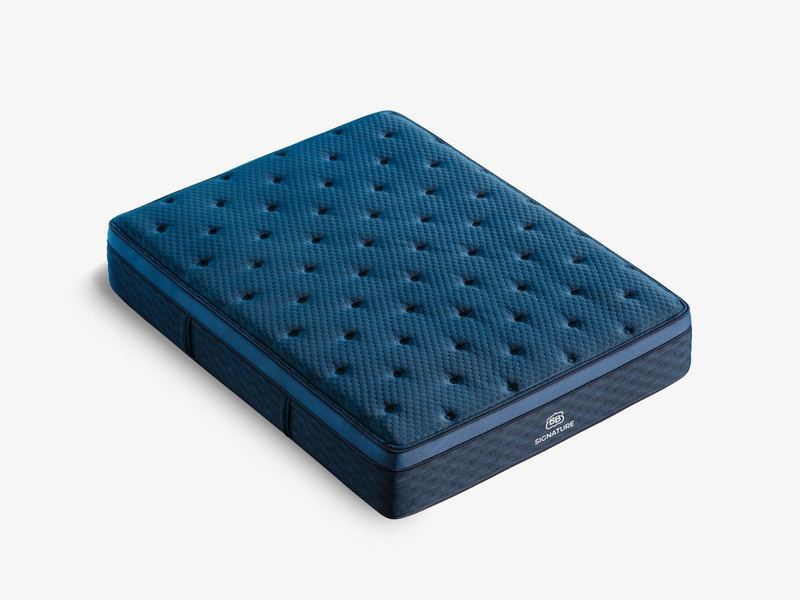
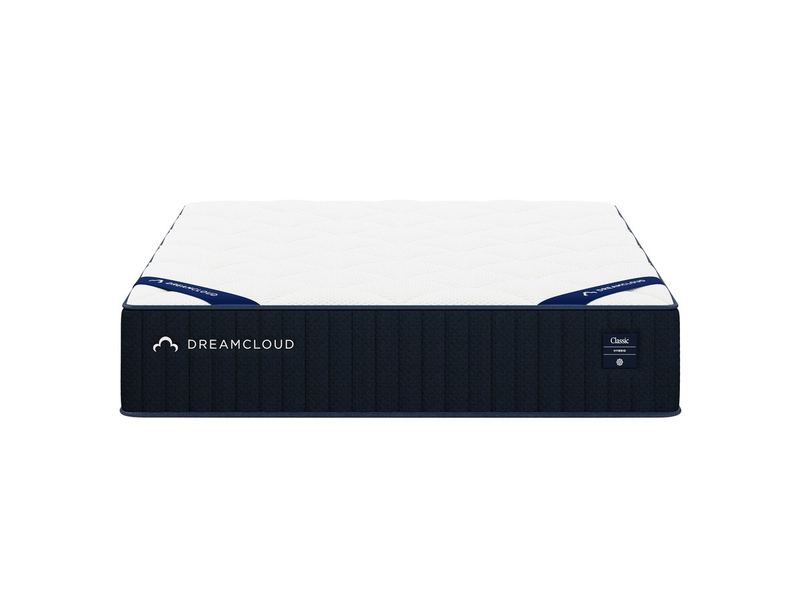
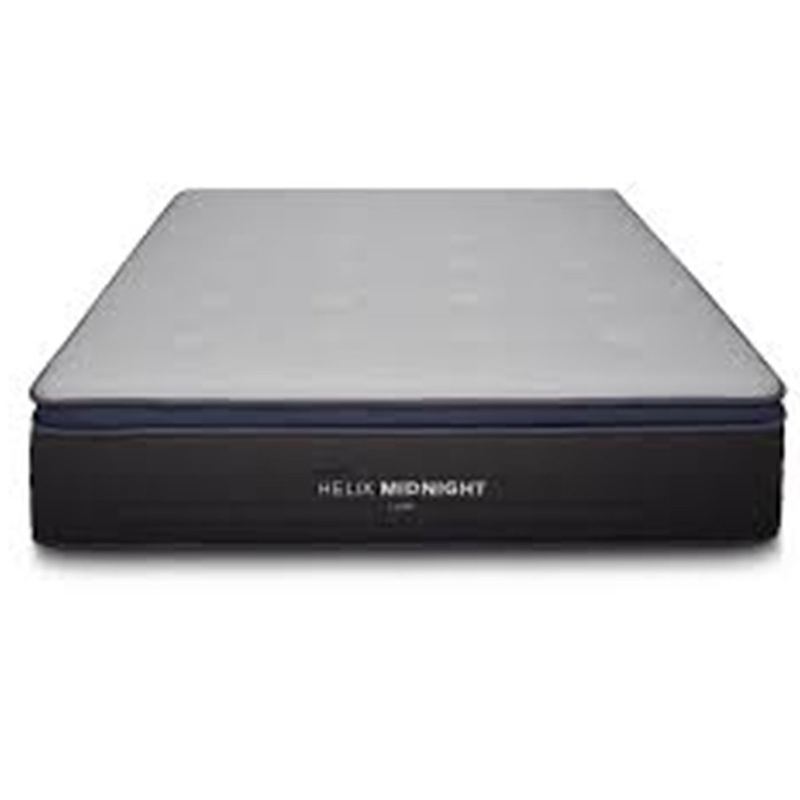
The honest split in this field is service versus sticker price. Helix takes #1 with the strongest all-round package in the group — a 365-night trial, a limited lifetime warranty and a zoned coil build tuned for back and stomach sleepers — and WinkBed closes behind with a lifetime warranty and four firmness builds as insurance you pay for in the price. The $699 Resident beds (Nectar at #3, DreamCloud at #6) answer with the same 365-night trial and forever warranty at barely a third of the money, trading away build sophistication — and of the two, DreamCloud is the value pick: coils and a quilted top instead of a foam slab. Buy the top of this list if you keep a mattress a decade; buy the middle if you want the paperwork without the premium.
Questions, answered
How long should a mattress last, and what does the warranty actually cover?
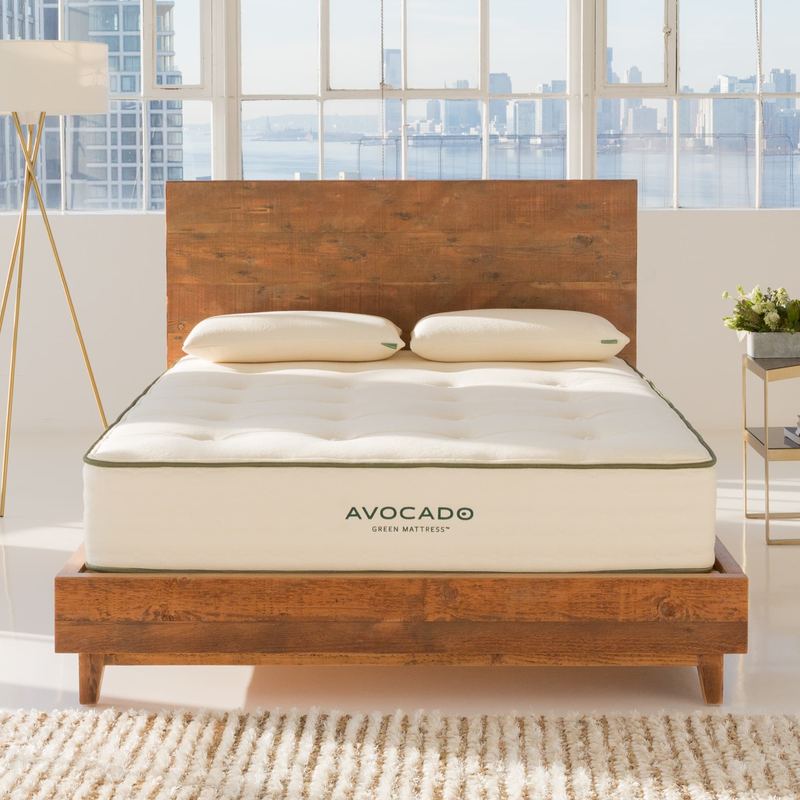
Plan on roughly 7–10 years before a mattress here feels due for replacement — with the budget foam beds likely to reach that point sooner than the coil builds, because the gradual softening no warranty covers tends to arrive first in cheaper foam. Warranties — 10 years at Purple and Tempur-Pedic, 25 years at Avocado, lifetime at WinkBeds, Nectar, DreamCloud, Brooklyn, and Leesa — cover manufacturing defects and abnormal sagging (typically impressions beyond a set depth), not that softening. A lifetime warranty is generous protection against defects; it is not a promise the bed feels new forever, and softening — not a warrantable failure — is what usually ends a mattress's useful life.
Hybrid or memory foam — which should I buy?
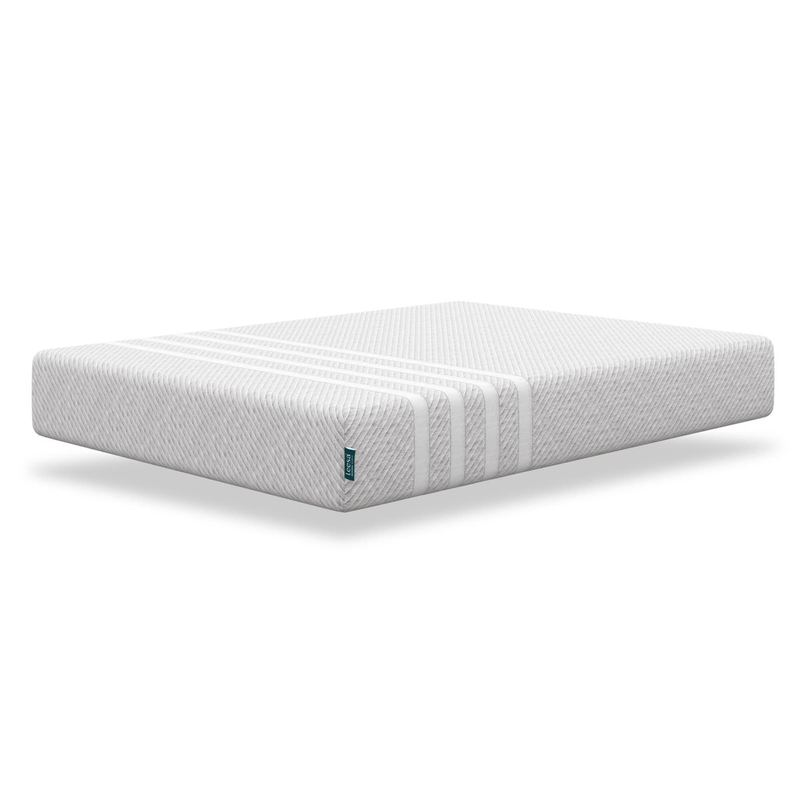
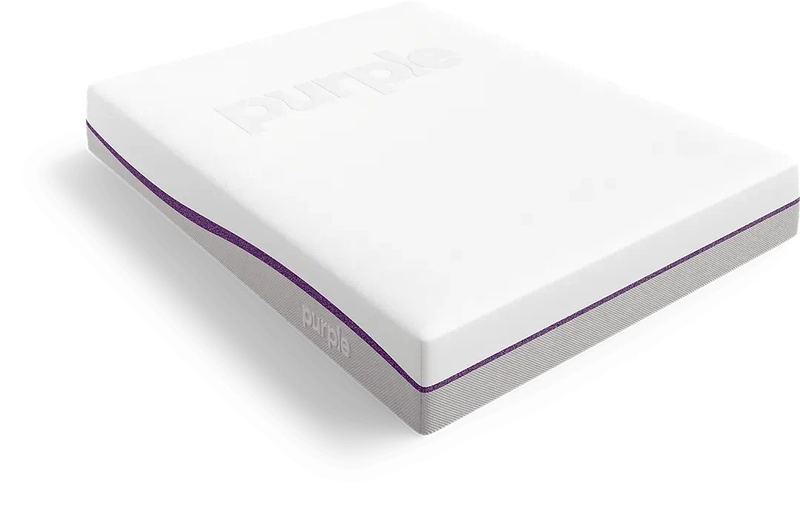
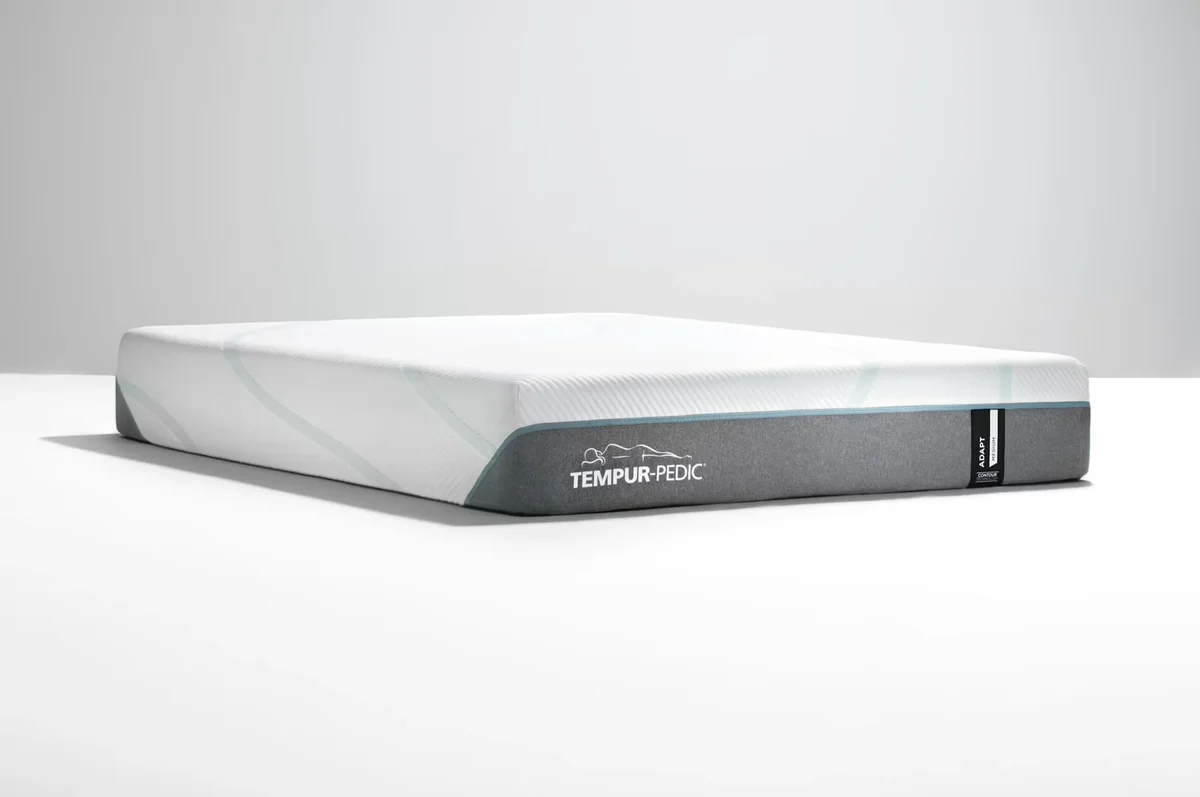
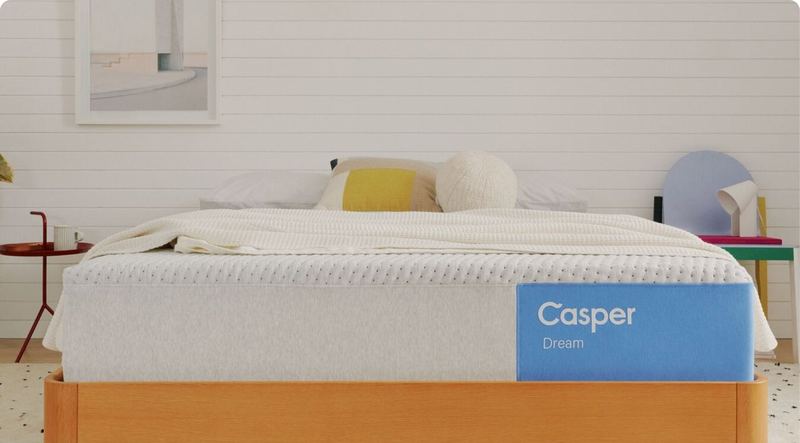
Hybrids (Helix, WinkBed, Brooklyn, Avocado, DreamCloud, Casper, TEMPUR-Adapt Medium Hybrid) use a coil support core: they sleep cooler, bounce more, and have firmer edges — better for heavier sleepers, couples, and anyone who changes position often. All-foam beds (Nectar, Leesa) isolate motion better and hug closer, at the cost of warmth and edge support. Purple's GelFlex Grid is the exception that proves the rule: foam-free, instantly responsive, and temperature-neutral, but with a feel many sleepers find strange.
How firm a mattress do I actually need?
For most back and combination sleepers, “medium-firm” is the safe buy — but brands grade on their own curves. Nectar publishes 6.5/10 for its Classic; DreamCloud markets a firm-leaning feel that testers also read as medium-firm; Avocado's “Medium” tests firmer than either. Side sleepers (especially under 150 lbs) should lean one step softer than the label; stomach sleepers and heavier sleepers one step firmer. When in doubt, buy the longer trial — five of these ten give you a full year.
With constant sales, when is the right time to buy?
At most DTC brands the “sale” price is the real price: Nectar and DreamCloud sit at $699 essentially year-round, and Helix, WinkBeds, and Brooklyn run overlapping promotions with only brief returns to list. The exception is Tempur-Pedic, whose prices genuinely move around holiday events. If a price is within ~10% of the figures in this ranking, you are looking at the normal street price — buy on fit and trial terms, not on the countdown timer.
Related Journal Entries
Prices shown are for the Queen size in the brand’s standard configuration. Prices are typical US street prices observed during research and change often — check the retailer for the current price. AmRank may earn a commission from links on this page; commissions never change a score. See the affiliate disclosure and methodology.